British Shorthair vs. Scottish Straight: Which Is Right for You?
Two round-faced favorites
British Shorthairs and Scottish Straights can both appeal to families who love round faces and an affectionate companion. The best choice depends on the individual kitten, your daily routine and the kind of interaction you enjoy. We raise both breeds at TMZ Kittenz N Katz in Gainesville, Georgia. Understanding their general traits can help you decide which kittens to meet, while remembering that a breed description cannot predict every personality.
Appearance
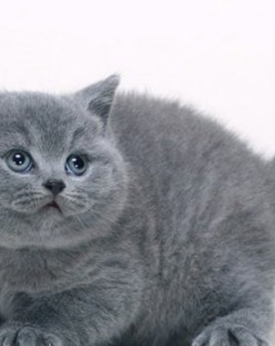
The British Shorthair is a study in roundness, with a large round head, round eyes, rounded paws and a plush, dense coat. The Scottish Straight shares the breed's sweet face but is slightly more compact, and it has the same small ears as any non-folded cat. Both come in many colors and patterns, and both can have long coats.
Personality
British Shorthairs are calm, dignified and undemanding. They want to be near their people, often beside you rather than on your lap, and many dislike being carried. Males tend to be happy-go-lucky and females more serious.
Scottish Straights are known for being sweet, intelligent and sociable. They tend to bond closely with their people, enjoy attention and are moderately active. They do not like being left alone for long stretches.
Grooming
British Shorthairs have a dense coat that benefits from brushing two or three times a week, and more often in spring. Scottish Straights are comfortable with weekly combing, with longer coats needing more. Both need nail trims, ear checks and regular tooth care.
Which one suits your home?
If you want a relaxed, easygoing cat who is happy to share the sofa without much fuss, a British Shorthair is a great match. If you are home often and want a cat who follows you from room to room, a Scottish Straight may suit you. Both do well with children and cat-friendly dogs when introduced gently.
Energy and play style
British Shorthairs tend toward a laidback style. They enjoy short bursts of play, then settle at your feet. They are not known for leaping onto counters or high shelves, so a low cat tree is often enough. Scottish Straights are moderately active and often love teaser toys that test their agility and puzzle toys that challenge their minds. Both breeds like interactive play with their people.
Living with children and other pets
British Shorthairs are usually calm around children, as long as they are not carried around. Teach children to sit on the floor and let the cat approach. Scottish Straights are sociable and friendly, and they are fond of company, including other cats. Both breeds can live well with cat-friendly dogs when introductions are gradual. See our introduction guide.
Time alone
British Shorthairs are content on their own and tolerate time alone better than many breeds. Scottish Straights are more social. If you work long hours away from home, a British Shorthair may be easier, or you can consider two kittens so they keep each other company.
Size, lifespan and growth
British Shorthairs are sturdy and mature slowly, reaching full size by about age three, with some taking until five. Scottish cats are medium-sized and compact, typically weighing 6 to 9 pounds for females and 9 to 13 pounds for males, and living an average of 11 to 15 years. Individual cats vary.
Coat lengths
Both breeds come in shorthair and longhair varieties. Scottish longhairs are sometimes called Highland cats, and British Longhairs have a soft, semi-long coat. Longer coats need more frequent brushing to prevent tangles.
See them in person
Photos tell you only so much. Meeting kittens helps you feel each one's personality. We welcome visits by appointment at our home cattery in Gainesville, and we can arrange a video chat as well. Read about each breed on our British Shorthair page and Scottish Fold and Straight page.
A closer look at everyday life
In practice, the difference often shows up in small daily moments. A British Shorthair will usually settle next to you with a calm presence and watch the family go by. A Scottish Straight is often right in the middle of what you are doing, offering opinions in a quiet, chirpy voice. Neither is better; they simply fit different households.
Meeting the parents helps
The parents' temperaments often offer a clue about how a kitten will turn out. When you visit, spend time with the kitten and its family. Look for relaxed, friendly cats. You can also see our breeding cats on our Queens and Sires page.
Our recommendation
Spend time with kittens of both breeds if you can. Most families find that one personality simply clicks. If you are still unsure, tell us about your home, your schedule and who lives with you, and we will help you decide which kittens to meet first.
Make the final call together
Bring everyone who lives in your home to meet the kittens. Watch how each person and kitten respond to one another, because the right match is often obvious in person.
Questions to ask before you choose
Ask to meet the kitten's parents or see photos. Ask about the kitten's temperament, the go-home age (ours go home between 11 and 16 weeks) and the written agreement. Read our breed pages and our Kittens page, then contact us to meet a kitten.