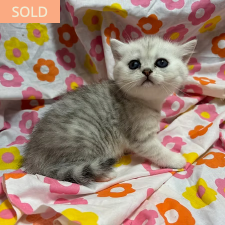
British Shorthair vs. British Longhair: Which Coat Fits You?
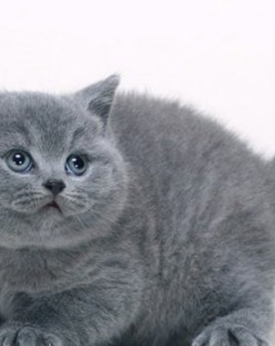
Same breed, different coat
People often ask whether the British Longhair is a different breed. In build, face and personality, the British Longhair is the same as the British Shorthair. The difference is the coat, which in the Longhair comes from Persian in the background. At TMZ Kittenz N Katz we raise both, so I can tell you what each is like to live with.
The shorthair coat
The British Shorthair has dense, plush hair, with more hair per square inch than any other cat breed. It feels thick and springy and stands off the body slightly. Brush or comb two or three times a week to keep loose hair down, and more often in spring when the winter coat is shed.
The longhair coat
The British Longhair has a soft, semi-long coat that is silky to the touch. It usually needs more frequent brushing to prevent tangles, especially behind the ears, under the legs and around the tail. Plan on brushing several times a week, and daily during heavy shedding. Start grooming sessions when your kitten is young so it learns to enjoy them.
Shedding and allergies
Both coat types shed, and neither breed is hypoallergenic. If someone in your home has cat allergies, spend time with the breed before you commit and talk to your doctor.
Personality
Personality is the same in both coat types. British cats are calm, dignified and affectionate. They want to be near you but are usually not lap cats. Males are often happy-go-lucky and females more serious. They are tolerant of children and cat-friendly dogs when given their personal space.
Lifestyle fit
If you like the plush teddy-bear look and prefer low grooming, a Shorthair is a great fit. If you love a fluffier look and enjoy brushing as a bonding time, you may prefer a Longhair. Either way, indoor living, regular play and a healthy weight keep them well.
Grooming tools that help
For the Shorthair, a slicker brush or a metal comb works well and a rubber grooming glove helps remove loose hair. For the Longhair, use a wide-toothed comb first to find tangles, then a slicker brush. Work gently, in small sections, and reward your cat with treats and praise. A few minutes a day is better than a long session once a week.
Handling mats and hairballs
Mats form most often behind the ears, in the armpits and near the tail. If you find a mat, do not pull it. Gently work it apart with your fingers or a comb, and ask a groomer or vet if it is close to the skin. Regular brushing also reduces hairballs, which form when cats swallow loose hair while grooming. Talk to your veterinarian if hairballs are frequent.
Baths and professional grooming
Most British cats rarely need baths, but a Longhair may benefit from an occasional bath or professional grooming. If you do bathe your cat, use a cat-safe shampoo, keep the water warm and dry thoroughly. Introduce water early and gently, as many cats dislike it.
Which one do customers choose?
Families who love a fluffy look and enjoy brushing often choose a Longhair, while those who want minimal grooming choose a Shorthair. Neither is right or wrong. If you tell us your lifestyle, we can suggest which of our current kittens suits you best. Read about the breed on our breed page, see available kittens, or ask us in the FAQ.
Seasonal shedding
Expect more loose hair in spring, when cats shed their winter coat. Increase brushing during that time, and consider brushing outdoors or on an easy-to-clean surface. A good diet and regular grooming keep the coat healthy year-round.
Which looks do people prefer?
Many people picture the classic British Shorthair when they hear the breed name: a round face, round eyes and a plush, dense coat that is often described as teddy-bear-like. The Longhair has the same face framed by softer, longer fur, with a feathered tail and a mane-like ruff around the neck in some cats. Both looks are beautiful, and the choice often comes down to personal taste.
Planning your time
Think about the time you can give to grooming. A Shorthair is manageable with a few short brushing sessions a week. A Longhair benefits from a more regular routine, and grooming also gives you a chance to check the skin, ears and nails. If your schedule is busy, a Shorthair may be easier, but many Longhair owners say the daily brushing becomes a favorite ritual.
Kittens grow into their coats
Kittens look different from adults, and a Longhair kitten's coat takes time to develop. When you visit, ask to see the parents and look at their coats, which show what a kitten may become. Tell us what you like, and we can describe each kitten's expected coat.
Questions to ask your breeder
Ask to see the kitten's parents, ask what coat length the kitten is expected to have as an adult, and ask about grooming tips. Coat length can be hard to judge in very young kittens, so a conversation with the breeder helps.
Learn more on our British Shorthair and Longhair page, browse available kittens, or contact us.