Munchkin Cats: Temperament, Care and What to Expect
A short-legged breed with a big personality
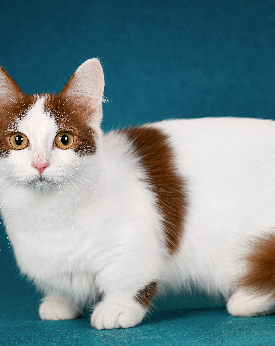
The Munchkin is a small to medium-sized cat recognized by its very short legs. A natural genetic mutation gives the breed those legs, but otherwise the build is quite average. The breed has been documented since the 1940s, TICA recognized it in 1997, and it is considered the original dwarf cat breed. I raise Munchkins alongside our British and Scottish kittens, and here is what I tell families who ask.
Size and coat
Males typically weigh 6 to 9 pounds and females 4 to 8 pounds, with legs about three inches shorter than a typical cat. Munchkins come in every color and pattern and in short and long coats. The short coat is medium plush, and the long coat is semi-long and silky.
Temperament
Munchkins are playful and kitten-like for most of their lives. They are curious, attention-seeking and often dog-like, so don't be surprised if yours follows you around the house. They are sociable, intelligent and confident, and they do well with children and other pets. They generally enjoy a snuggle after they have had the chance to burn off some energy.
They are also known as thieves. Munchkins will take small items off counters and dressers and play with them until they vanish, so keep jewelry and small valuables out of reach.
Can they jump and climb?
Yes. Owners agree that short legs do not interfere with running and leaping. Munchkins race around the house, climb cat trees (especially those with low entry points) and often reach surprising heights. Provide low steps and sturdy toys.
Feeding
Munchkins have no special nutritional requirements. Feed a complete food that is right for the life stage, usually a mix of wet food for hydration and dry food to help with tartar. Offer measured meals two or three times a day rather than free feeding, since weight gain strains small frames. Ask your veterinarian for the right amounts.
Grooming and health
Brush weekly to prevent mats. Because of their short legs, Munchkins can struggle to groom thoroughly, so watch for spots they miss. The mutation that causes the short legs can lead to other health issues, though many Munchkins get around with no trouble. Talk to your breeder and your veterinarian about the breed's health, and have your kitten examined after it comes home.
Play and enrichment ideas
Favorite Munchkin activities include chasing toys, wrestling, racing around the house, jumping and climbing on low cat trees, scratching posts and basking in the sun. Puzzle toys reward their intelligence, and short training sessions with treats are easy because Munchkins are smart and trainable. They take to litter training quickly.
Living with kids and pets
Munchkins tend to get along with everyone in the family, including other pets. Teach children to scoop the kitten up with support under the body and to avoid pulling on the legs. Introduce other animals slowly as described in our introduction guide.
Home setup for a short-legged cat
Provide low steps or ramps to favorite furniture, a litter box with a low entrance, and cat trees with low entry points. Place food and water where they are easy to reach. These touches help any cat, and especially small-framed ones.
Before you reserve
Ask the breeder about the parents, the kitten's temperament and the health agreement. Ask whether the kitten is registered, microchipped and when it can go home. Read our Sales Terms, and contact us to ask which of our current kittens are Munchkin or Munchkin mixes.
Munchkin kittens and growing up
Munchkin kittens look like any kitten at first, and the short legs become more noticeable as they grow. They are full of energy and curiosity. Plan for lots of play, safe things to chew and climb, and a calm routine. Like all kittens, they sleep a lot between bursts of activity.
Is a Munchkin a good first cat?
For many first-time owners, yes. They are social, trainable and adaptable, and they tend to get along with children and other pets. What matters most is that you can offer daily play, a safe home and regular veterinary care. If you work long hours, consider adopting two so they keep each other company.
Common questions about Munchkins
Can a Munchkin use a normal litter box? Yes, but a box with a lower entry is easier to climb into.
Do Munchkins shed? They shed about the same as other cats.
How long do they live? It depends on genetics and care, so talk with your veterinarian about what to expect. See more answers in our FAQ.
Choosing a Munchkin kitten
When you meet a Munchkin kitten, watch how it moves and plays. It should be bright, curious and comfortable around people. Ask about the parents, the kitten's care and the written agreement, and take your time before you decide.
Final thought
A Munchkin brings humor and energy to a home. Give it play, patience and good care, and it will give you years of companionship.
Is a Munchkin right for you?
A Munchkin is a wonderful house cat for busy homes with pets and children, and for quiet homes with a person who wants a playful companion. Because they enjoy company, consider a second pet if you are away often.
See our Munchkin page, browse available kittens or contact us.